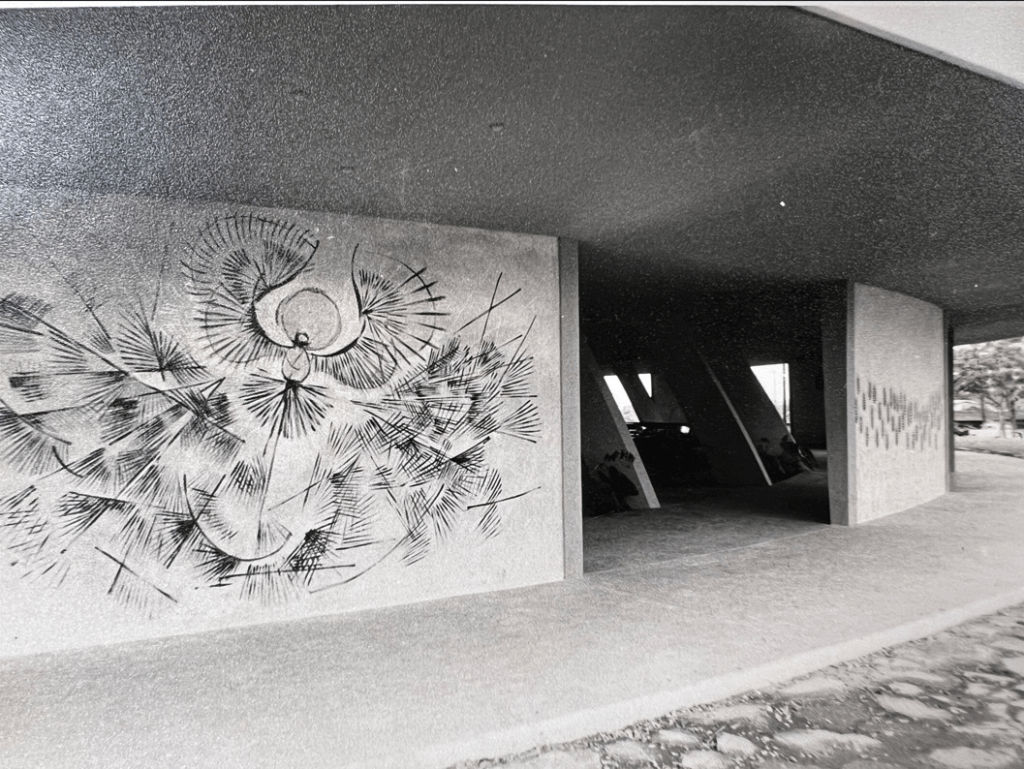
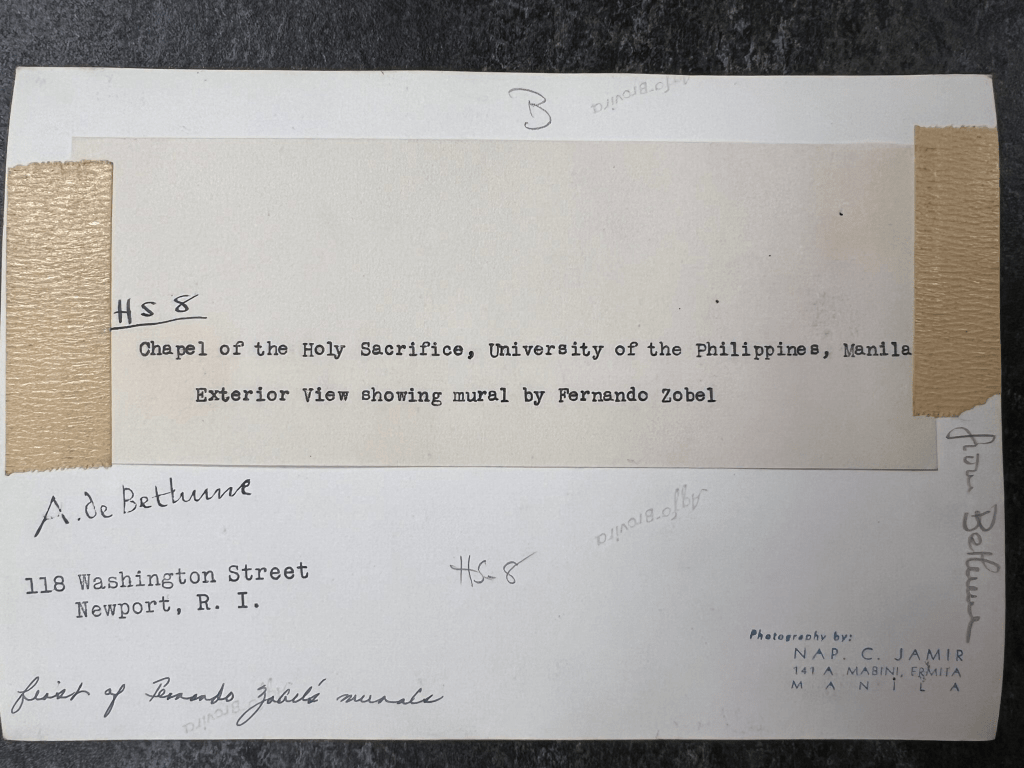
I visited the Parish of the Holy Sacrifice at the University of the Philippines yesterday and tried to find out the exact location of Fernando Zóbel’s now erased mural.
Completed in 1955, the circular church brought together some of the most important figures in Philippine modernism: architecture by Leandro Locsin, sculpture by Napoleon Abueva, floor mosaics by Arturo Luz, and paintings by Vicente Manansala and Ang Kiukok.
Zóbel is almost never mentioned in accounts of the church until I encountered an obscure column by Chong Ardivilla in the Manila Standard. Fernando Zóbel de Ayala himself did not include a photograph of his own mural in his Philippine Studies article on the Parish of the Holy Sacrifice (1957) and only self-deprecatingly described his contribution.
A few weeks after my search, I realized that Zóbel painted all of the exterior walls supporting the church’s lower roof with “symbols of the Sacraments and the Virtues”, describing the project as an experiment “in large-scale calligraphy” and in “the particular problems posed by decorating the exterior walls.” The murals would have been a counterpoint to Vicente Manansala’s interior “muralized” stations of the cross.
Zobel was part of the project from its inception. According to Patrick Flores, it was Zóbel who recommended Leandro Locsin to Frederic Ossorio when the latter was searching for an architect capable of designing an innovative “circular chapel” originally intended for the Chapel of St. Joseph the Worker, the same church later ornamented by Alfonso Ossorio’s famous Angry Christ mural. The project ultimately fell through and was reconstructed by another architect, a development that later allowed Locsin to realize the circular design instead in the Parish of the Holy Sacrifice at the University of the Philippines.
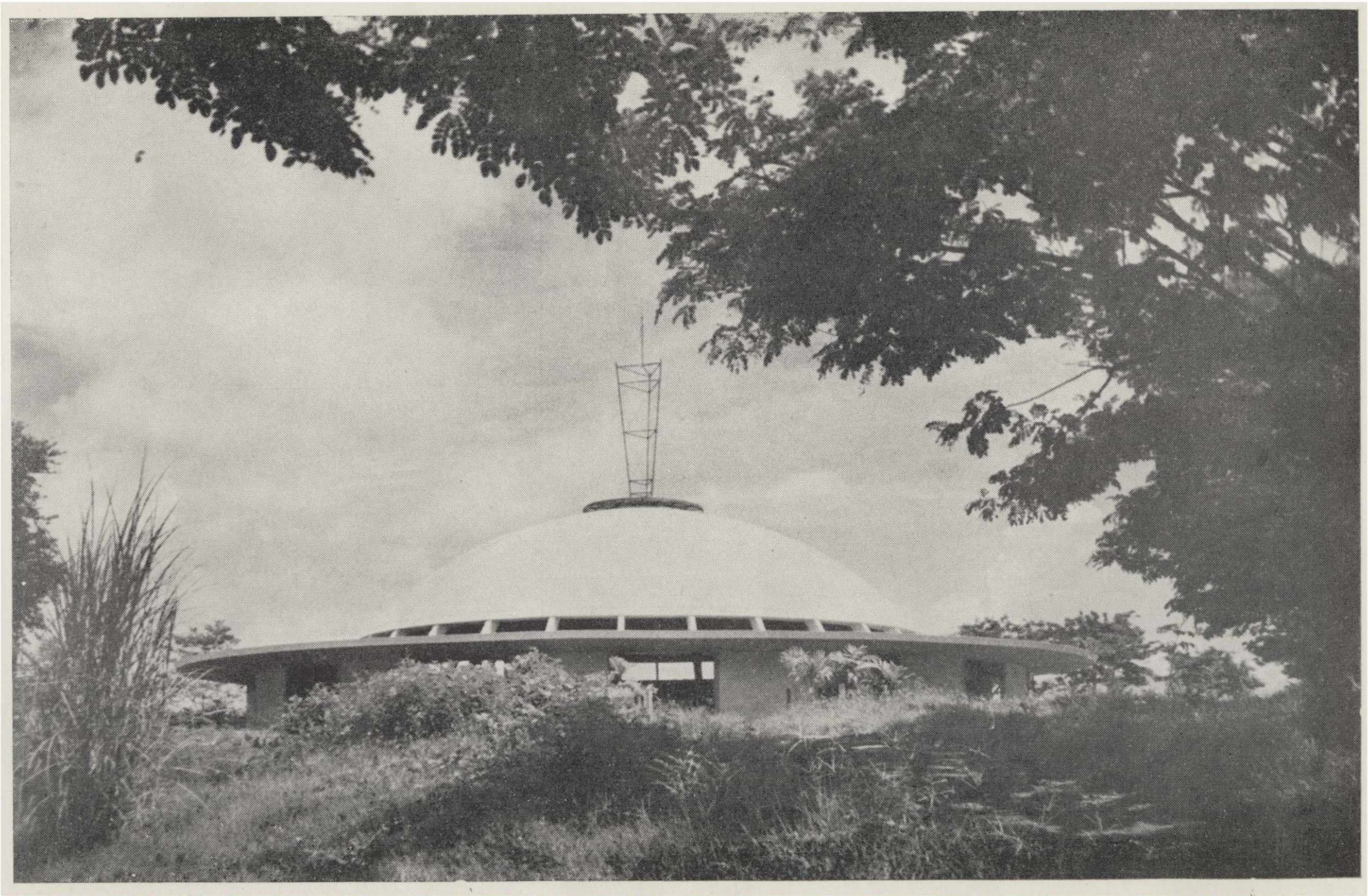
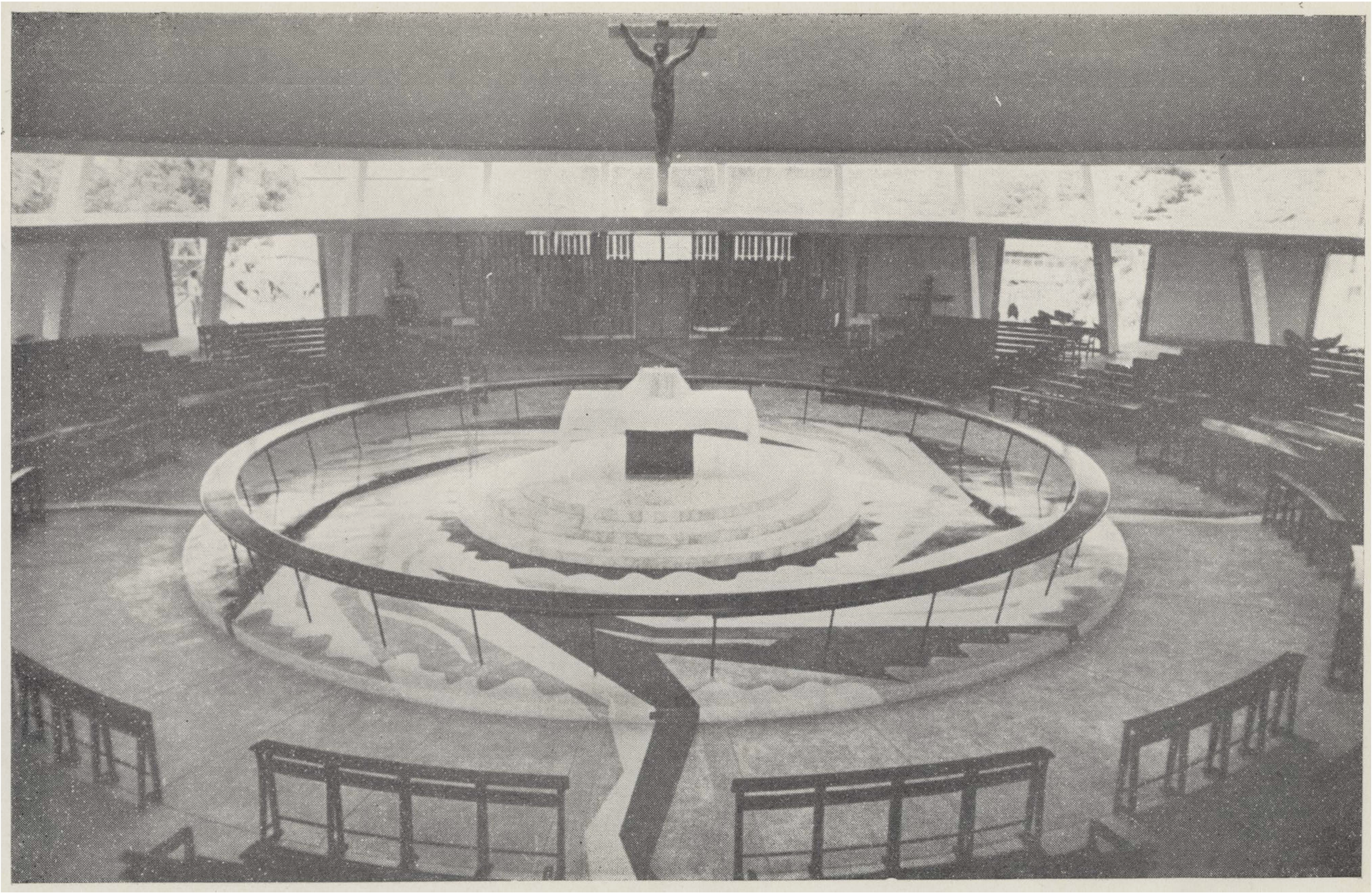
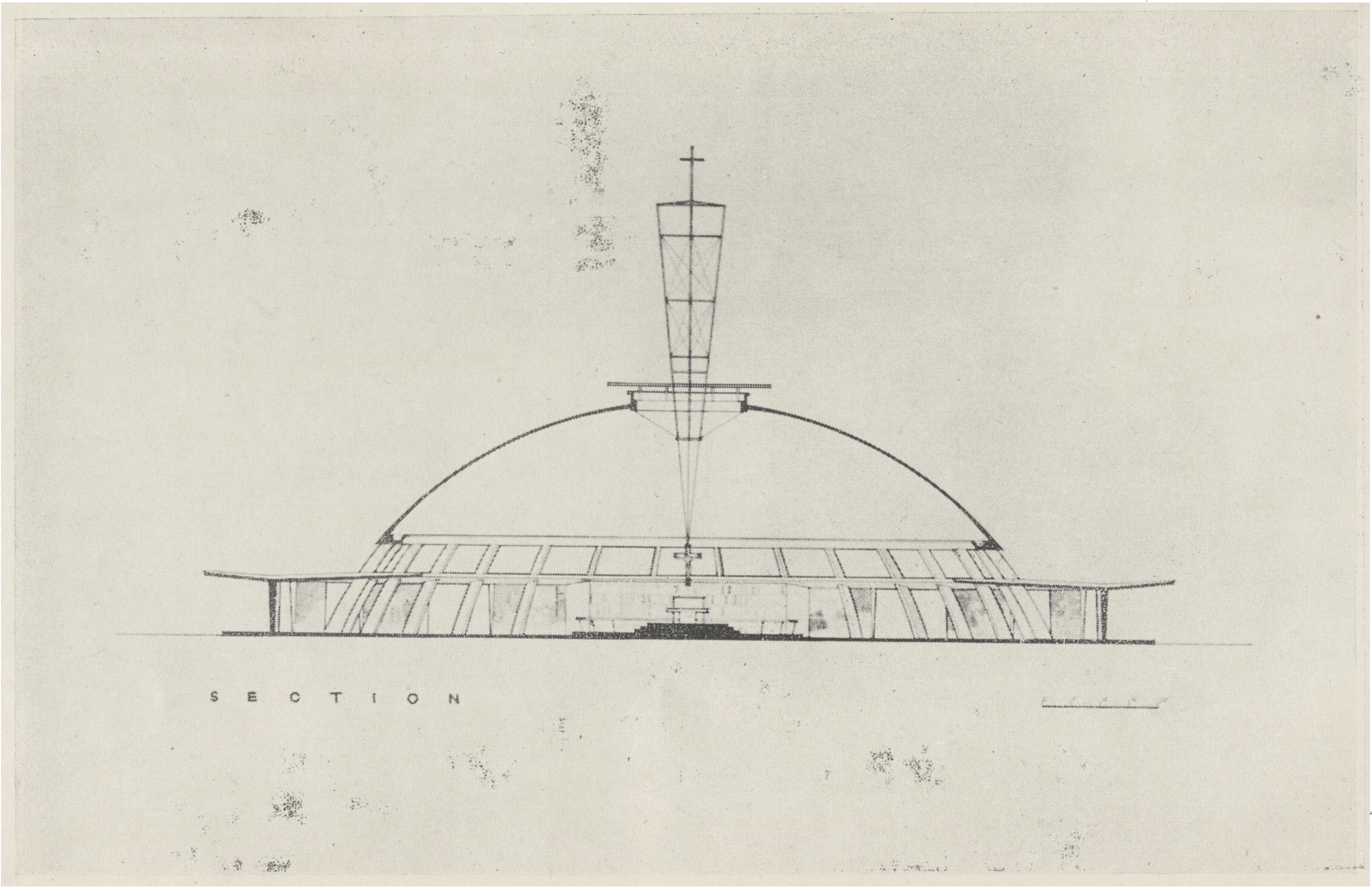
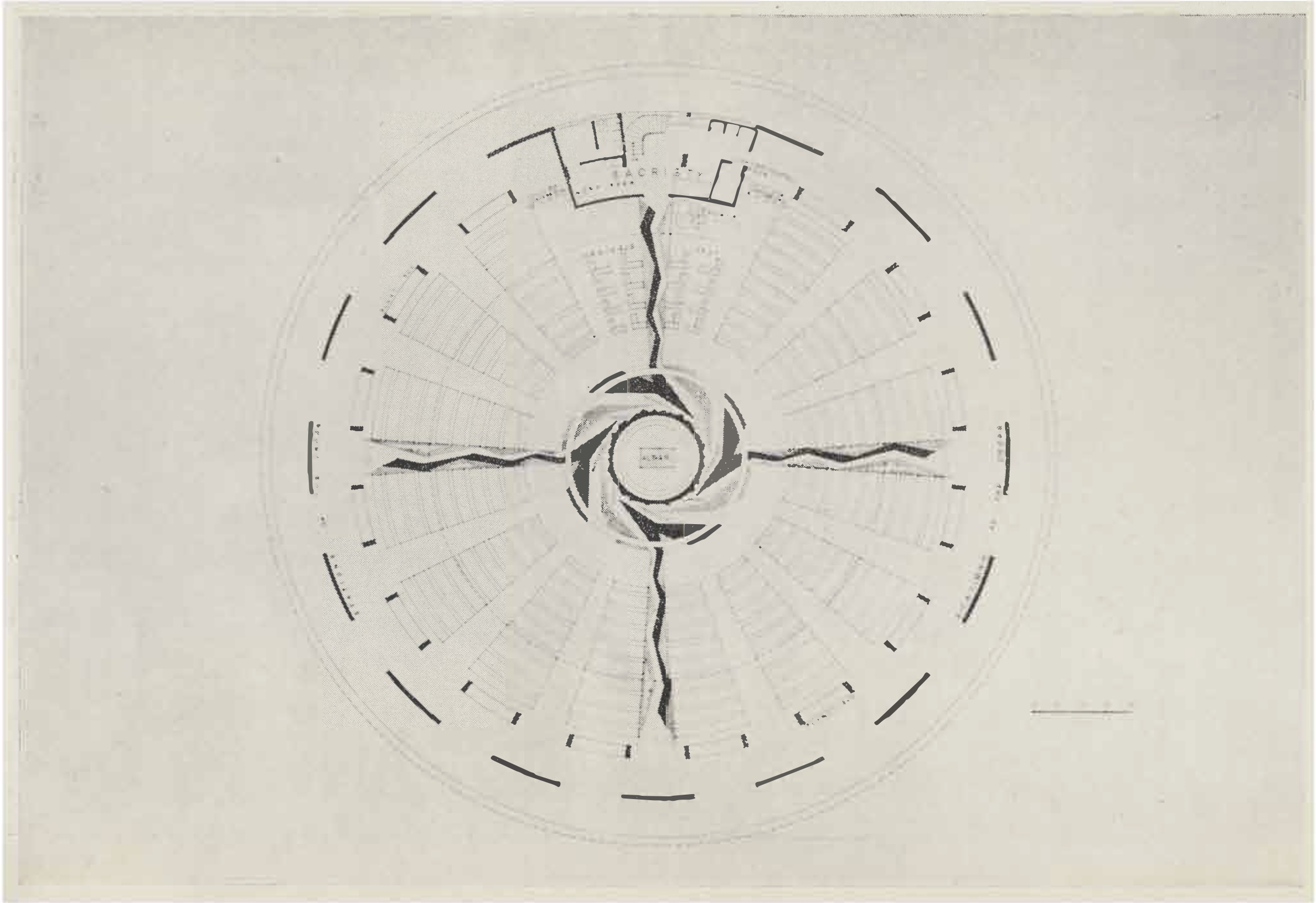
You can read Zobel’s article on the building of the Parish of the Holy Sacrifice in Philippine Studies. He documents the construction of the now-iconic modernist chapel at the University of the Philippines under the leadership of Jesuit chaplain Father John P. Delaney. Zóbel presents the project as a collective effort by a young generation of Filipino architects, engineers, and artists, including Leandro Locsin, Vicente Manansala, Arturo Luz, and himself. He emphasizes the chapel’s circular design, which encouraged communal participation in the Mass, its adaptation to the tropical climate, and its integration of architecture, lighting, and modern art. The essay frames modernism not as a break from spirituality or tradition but as the appropriate “idiom of our age,” capable of expressing Catholic faith through abstraction, collaboration, and contemporary design. The text also reveals Zóbel’s early investment in interdisciplinary modernist practice and in the pedagogical role of art and architecture within postwar Philippine society.
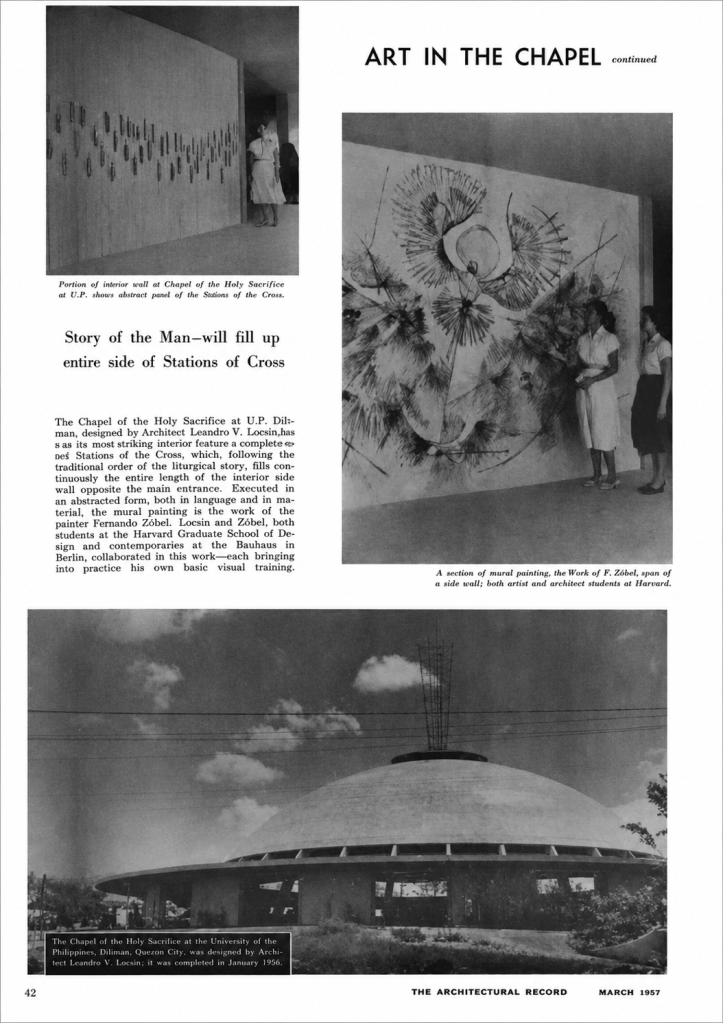
Perhaps in time, we can peel off layers of paint to uncover the hidden mural or find enough documentation to repaint them as it was originally designed by the architect.
***
Credit for the photograph should also go to Nap Jamir Sr., who documented many of Fernando Zóbel’s works and Chong Ardivilla who consulted the Ade Bethune papers at the St. Catherine University Library and Archives in St. Paul, Minnesota, USA
 Geronimo Cristobal