While looking into possible Filipino connections in the circle of Auguste Rodin, I began tracing the life and career of Félix Pardo de Tavera y Gorricho (Manila, 1859 – Paris, 1932). Because he belonged to a family of exceptionally accomplished ilustrados—the educated elite of nineteenth-century Manila—he is sometimes mistaken for one of his more famous relatives. He was the younger brother of the intellectual and statesman Trinidad Pardo de Tavera and the brother-in-law of the painter Juan Luna. The Pardo de Taveras were a Cavite family of Spanish descent whose patriarch Julián Pardo de Tavera arrived in the Philippines in the 1820s as an officer of the Spanish infantry. Félix’s father died in the 1863 Manila earthquake, and the children were raised largely under the care of their uncle Joaquín Pardo de Tavera, a liberal lawyer who later became known for defending the priests executed after the Cavite Mutiny of 1872 and who was himself exiled to Guam before eventually settling in France.
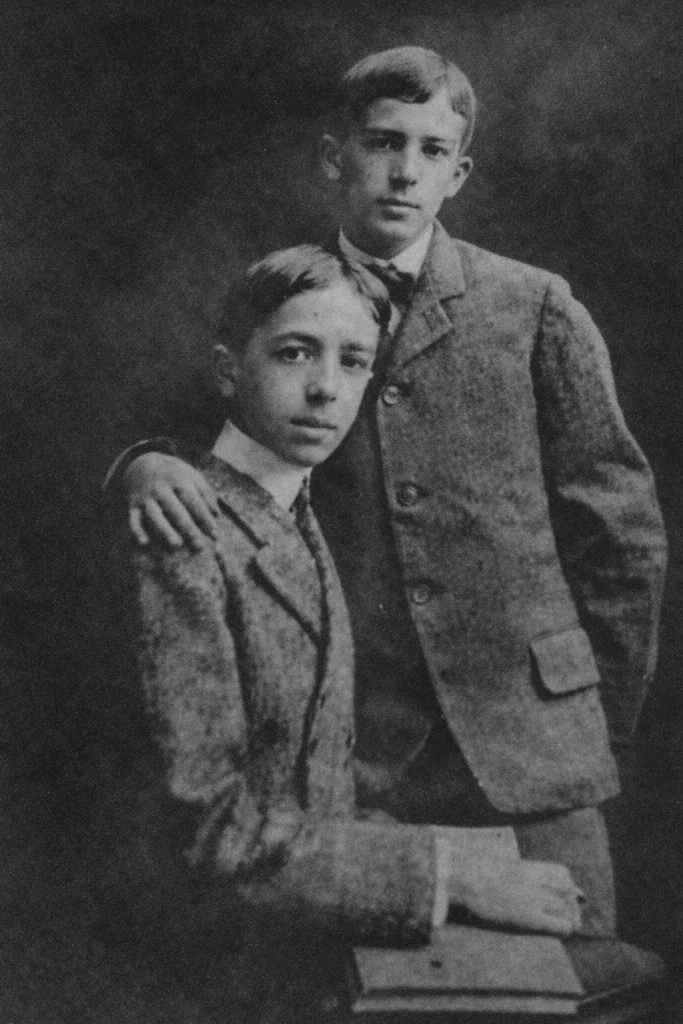
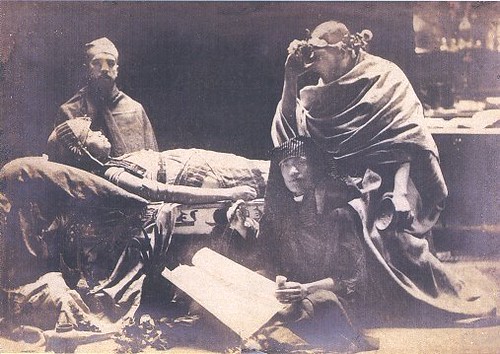
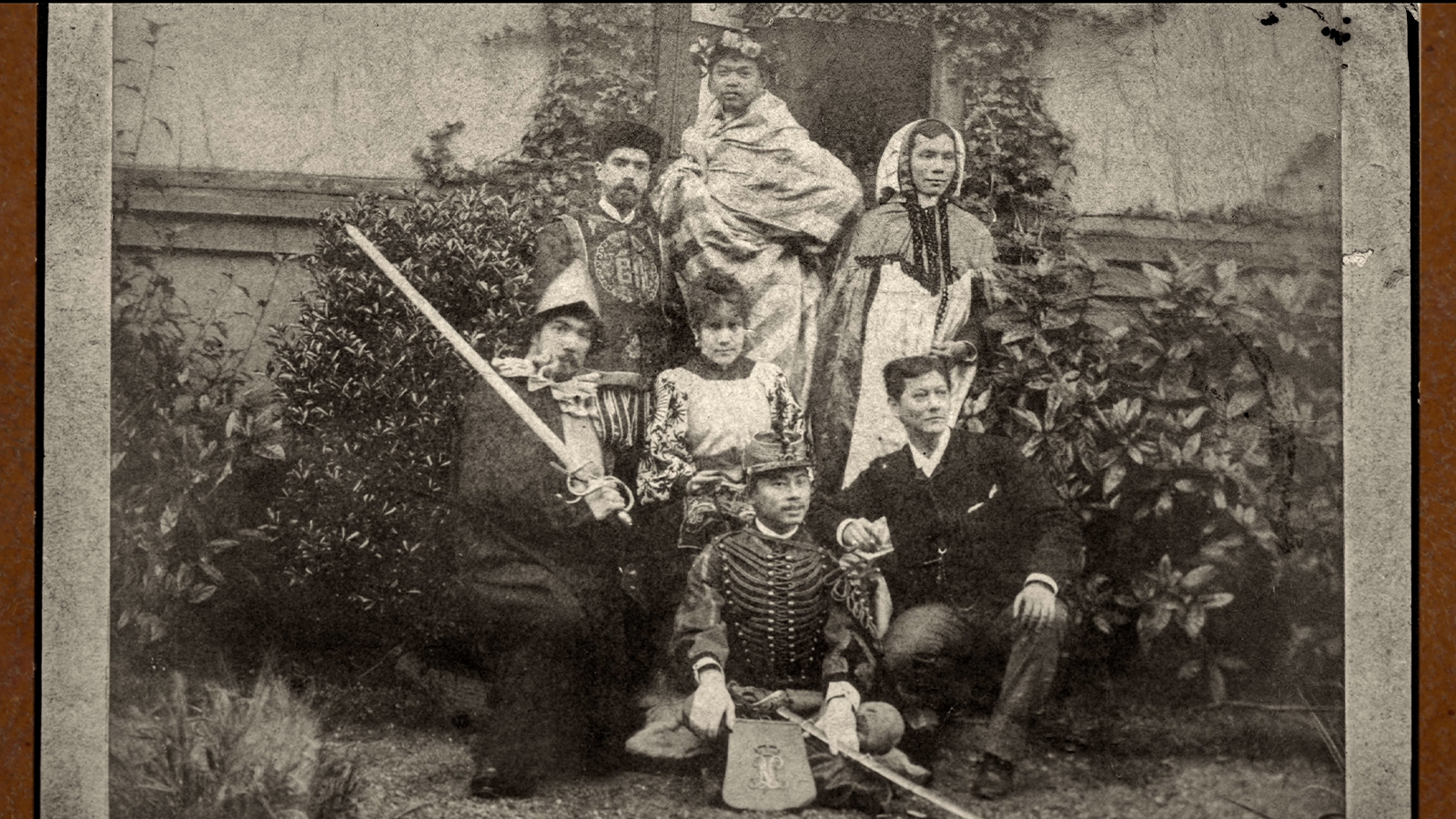
Félix showed artistic talent early. As a young student he attended the Academia de Dibujo y Pintura in Intramuros, then directed by Felipe Roxas, and at about eighteen contributed drawings to Fr. Manuel Blanco’s Flora de Filipinas, signing them simply “F. Pardo.” In 1877 he left for Paris with his family, where he enrolled in medical studies at the University of Paris (Sorbonne). At the same time he cultivated his artistic interests, maintaining a sculpture studio in the city and exhibiting works in international expositions. Contemporary accounts describe him training with leading sculptors such as Mariano Benlliure and reportedly with Rodin himself. Within the Filipino expatriate circle in Europe he was also known as a capable sculptor; José Rizal, a close friend since their student days at the Ateneo Municipal, frequently praised his artistic work.
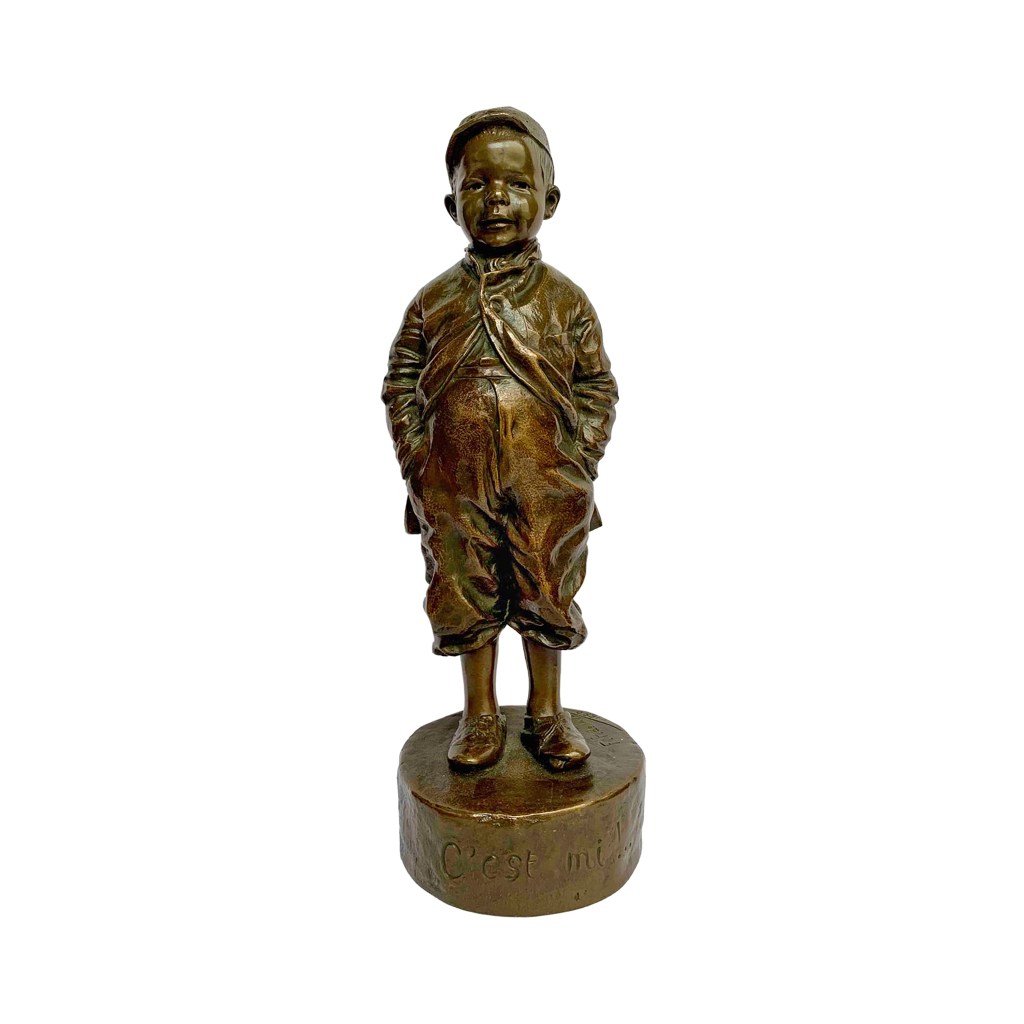
Felix Pardo de Tavera participated in the Exposición General de las Islas Filipinas in Madrid in 1887, where he presented three sculptures: Cirilo (a head of an indigenous child), Salcedo (a medallion in relief), and a Bust of a Girl Pardo Tavera. Although he later executed large civic monuments in Argentina, his most characteristic works were intimate sculptures of children. Among these, the figure C’est moi, depicting a boy with his hands in his pockets, became his most widely reproduced sculpture.
Félix was developing a dual career as physician and sculptor in Paris when tragedy struck in 1892. His sister Paz Pardo de Tavera, the wife of Juan Luna, was killed in the well-known shooting incident in Paris that also took the life of their mother. Félix himself was wounded while attempting to intervene. In the aftermath he withdrew from the Parisian milieu and eventually relocated to Argentina with his wife.
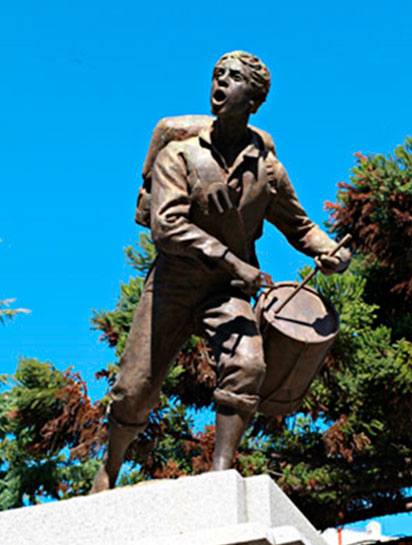
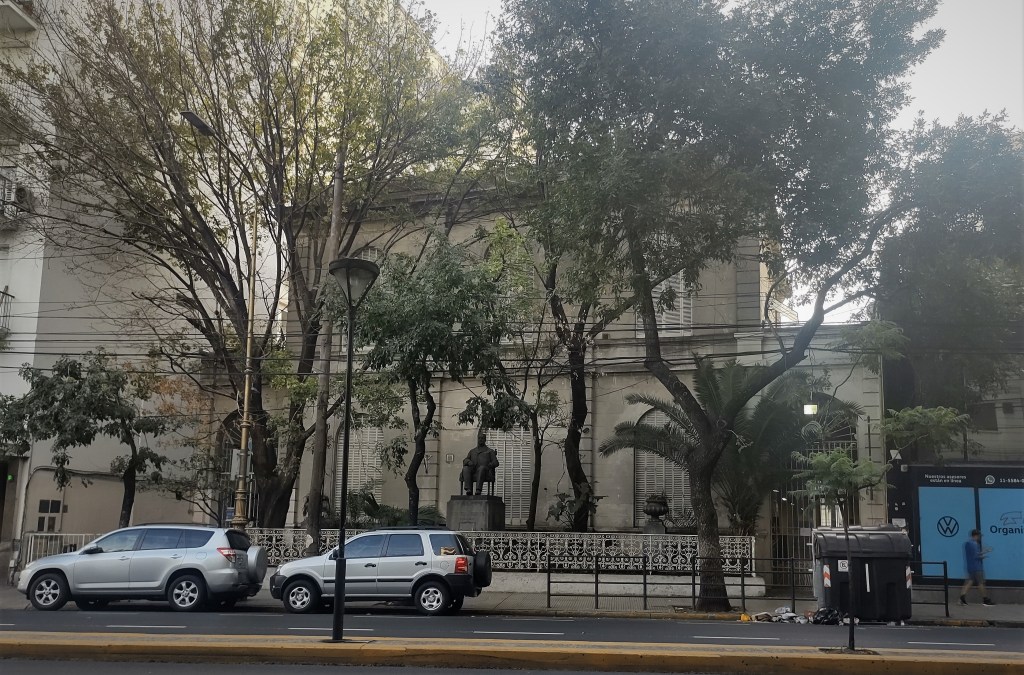
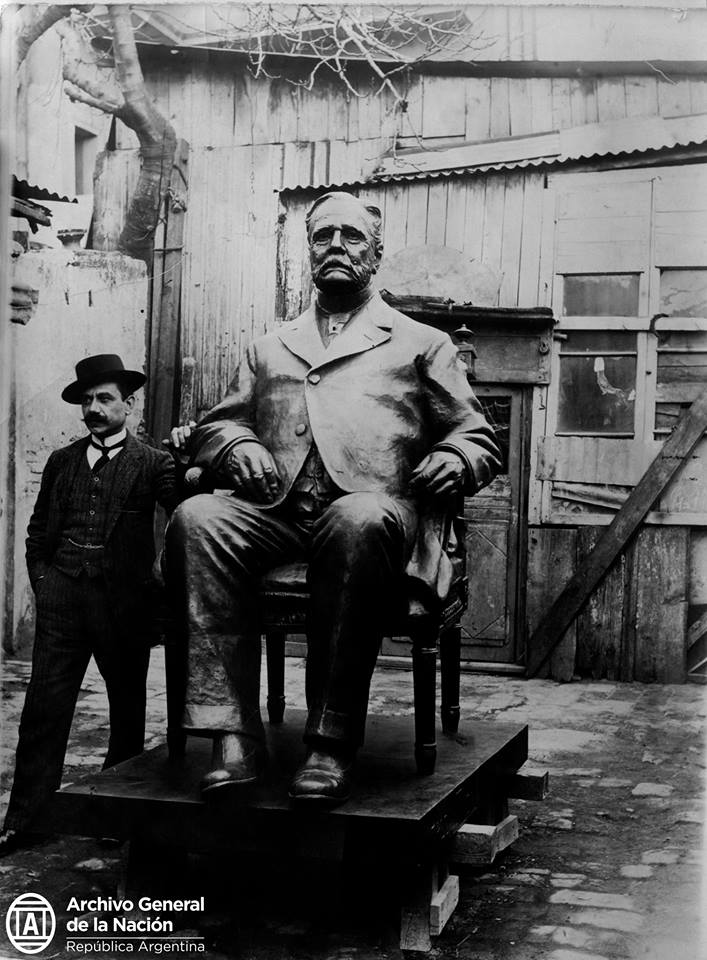
By 1895 Félix Pardo de Tavera had settled in Buenos Aires, where he rebuilt his life on the same two foundations—medicine and art. Art historian Concha Díaz Pascual notes that Pardo de Tavera settled permanently in Buenos Aires after marrying the Argentine Agustina Manigot. As a physician he specialized in pediatrics and rose to prominence in the medical community, eventually serving as director of the Hospital Francés. At the same time he continued his work as a sculptor, receiving commissions for monuments and portrait busts. Among the works attributed to him are busts connected to the family of José de San Martín, reportedly preserved in the Casa Rosada. Archival records also identify him as the author of a sculpture inaugurated in 1909 at the Escuela “Bernardo de Irigoyen” on Avenida Montes de Oca in Buenos Aires. His other public sculptures, include works representing General José de San Martín and President Miguel Juárez Celman, which are preserved in the Casa Rosada. The Filipino expatriate continued to attract critical attention as poet and art critic Rubén Darío observed 1895, Pardo de Tavera seemed to have a particular predilection for children, treating them “with great attention, a fine humor, and genuine affection” (Diaz-Pascual 2020). Dario called Felix an “excellent artist” (Caresani 2015, 177).
He acquired Argentine citizenship in 1910 and remained active there until the death of his wife, after which he returned to Paris, where he lived until his death in 1932.
Félix belonged to a broader migrant wave of Filipino ilustrados who were attentive to the histories of independence in Latin America. Argentina’s liberation from Spain in the early nineteenth century was among the cases discussed by José Rizal and his compatriots as they reflected on the colonial situation of the Philippines. Pardo de Tavera was not the first Filipino reformist to relocate there—Francisco Villa Abrille, connected to a prominent Davao family, had arrived around 1885—but he remains the most prominent Filipino ilustrado to establish a sustained career in Argentina. His life and work now form the core of a transnational trajectory linking Manila, Paris, and Buenos Aires.
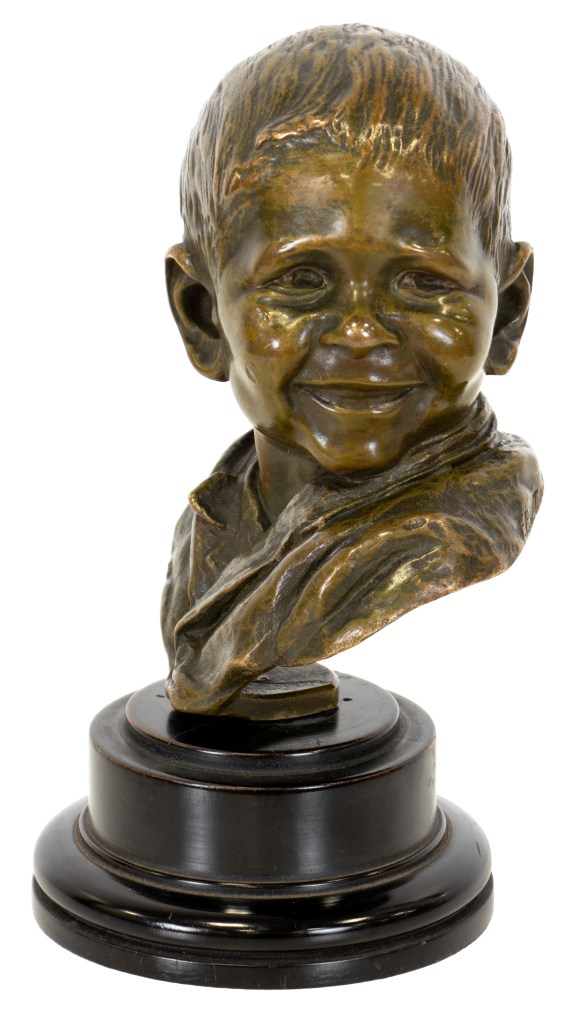
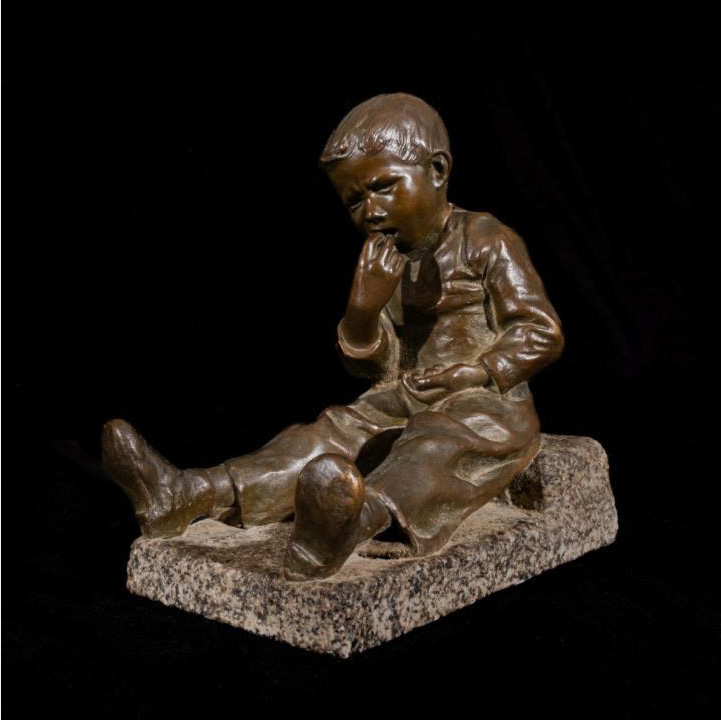
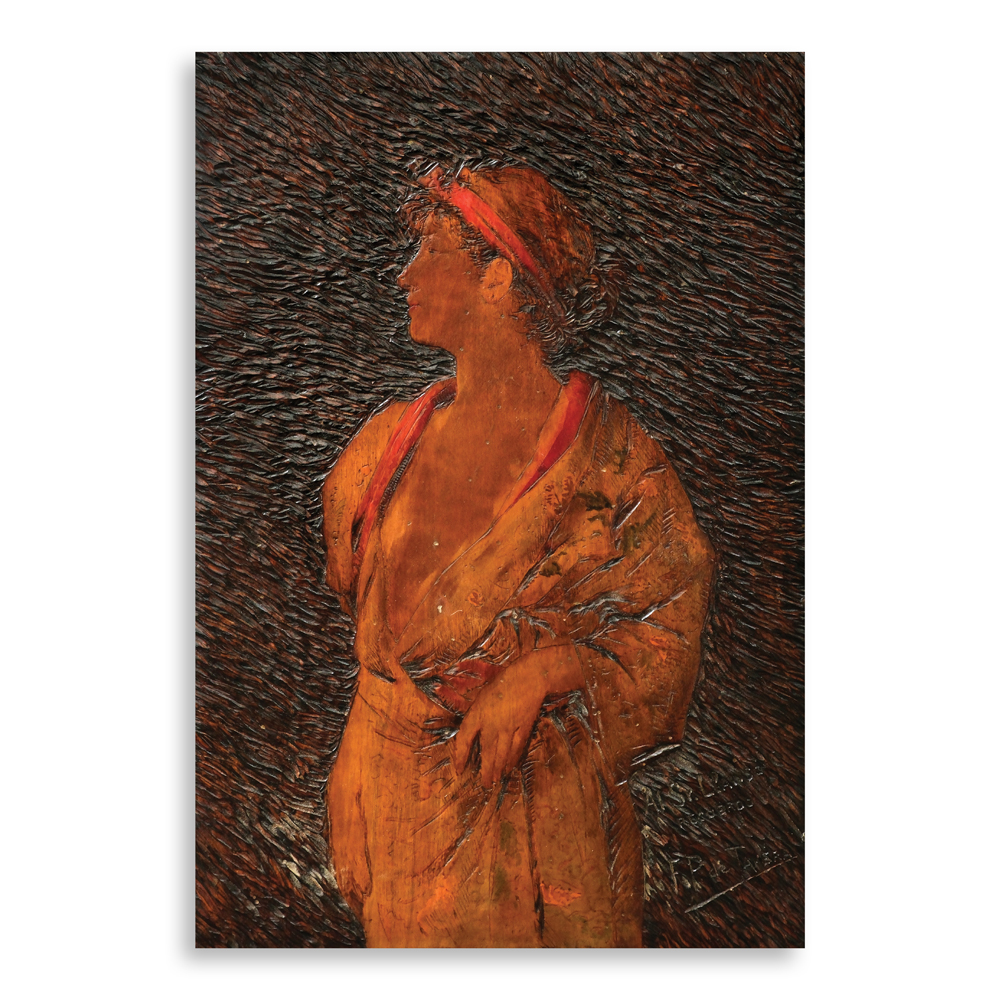
Félix remained active in Argentine artistic circles, participating in exhibitions and producing sculptural works that circulated in both Europe and South America. Although he eventually became an Argentine citizen in 1910, traces of his Philippine background remained visible in his work and personal life. His sculptures included subjects such as Cabeza de indígena, and his drawings sometimes returned to places associated with his family’s origins in Cavite. He also maintained intellectual ties with Filipino compatriots abroad and even submitted a design to the early twentieth-century competition for the Rizal Monument in Manila, though the commission ultimately went to the Swiss sculptor Richard Kissling.
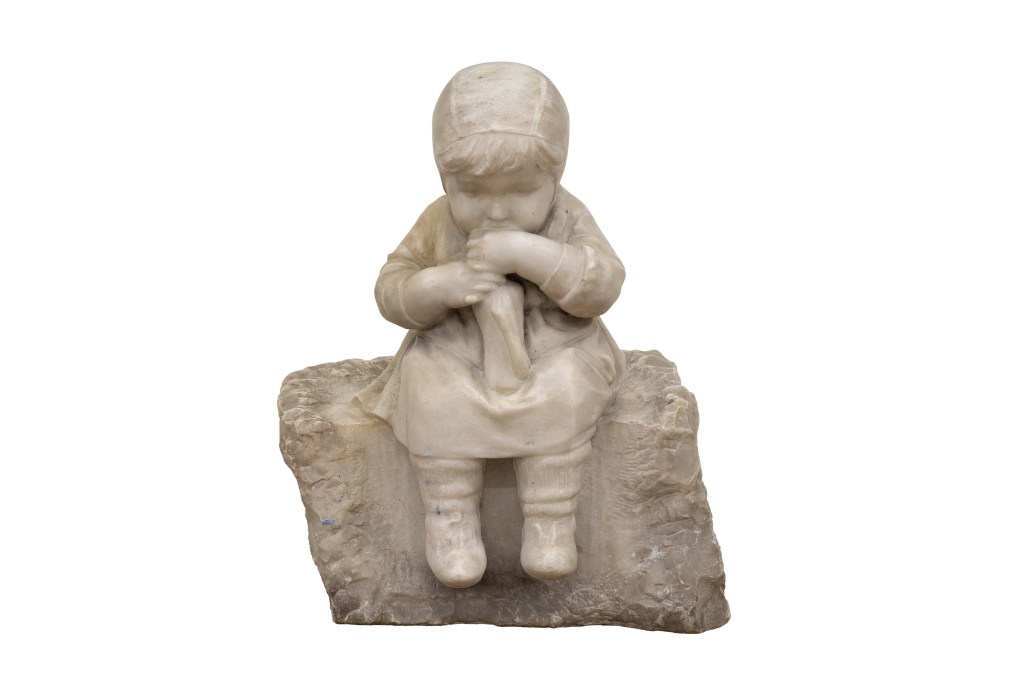
Another work by Félix Pardo de Tavera that was long thought lost is Niña con muñeca (Girl with Doll), a marble sculpture 48 cm high signed by the artist. The piece resurfaced only recently when it appeared at auction at Durán Arte y Subastas, offering rare evidence of Pardo de Tavera’s sculptural production beyond the monuments and public commissions already documented.
References
McCoy, Alfred W., ed. An Anarchy of Families: State and Family in the Philippines. Madison: University of Wisconsin Center for Southeast Asian Studies; Quezon City: Ateneo de Manila University Press, 1994.
Archivo General de la Nación. “El escultor Félix Pardo de Tavera, autor de la escultura que será inaugurada en la escuela ‘Bernardo de Irigoyen’ en la calle avenida Montes de Oca y Uspallata en 1909.” AR-AGN-AGAS01-Ddf-rg-45797. Centro Documental de Cuenca Matanza Riachuelo. Accessed March 13, 2026. https://centrodocumental.acumar.gob.ar/items/show/8808.
Arte de la Argentina. “Félix Pardo de Tavera.” https://artedelaargentina.com/disciplinas/artista/escultura/felix-pardo-de-tavera.
Cariño, José María A. Triumph and Tragedy: The Life and Works of Félix Pardo de Tavera. Pasay City: Foreign Service Institute, 2022, 160–161.
Caresani, R. J. “Rubén Darío y sus crónicas desconocidas del Salón de Buenos Aires (1895–1896).” Anales de Literatura Hispanoamericana 44 (2015): 145–165. https://revistas.ucm.es/index.php/ALHI/article/download/51511/47775/93864
Díaz Pascual, Concha. 2020. “Escultores filipinos 1850–1898 (M–Z).” Cuaderno de Sofonisba, September 10, 2020. https://cuadernodesofonisba.blogspot.com/2020/09/escultores-filipinos-1850-1898-m-z.html
Ongpin, Isabel. “Felix Pardo de Tavera.” The Manila Times, February 3, 2023. https://www.manilatimes.net/2023/02/03/opinion/columns/felix-pardo-de-tavera/1877053.
 Geronimo Cristobal