In celebration of International Women’s Day, allow me to introduce three pioneering and remarkable women in Philippine Art.
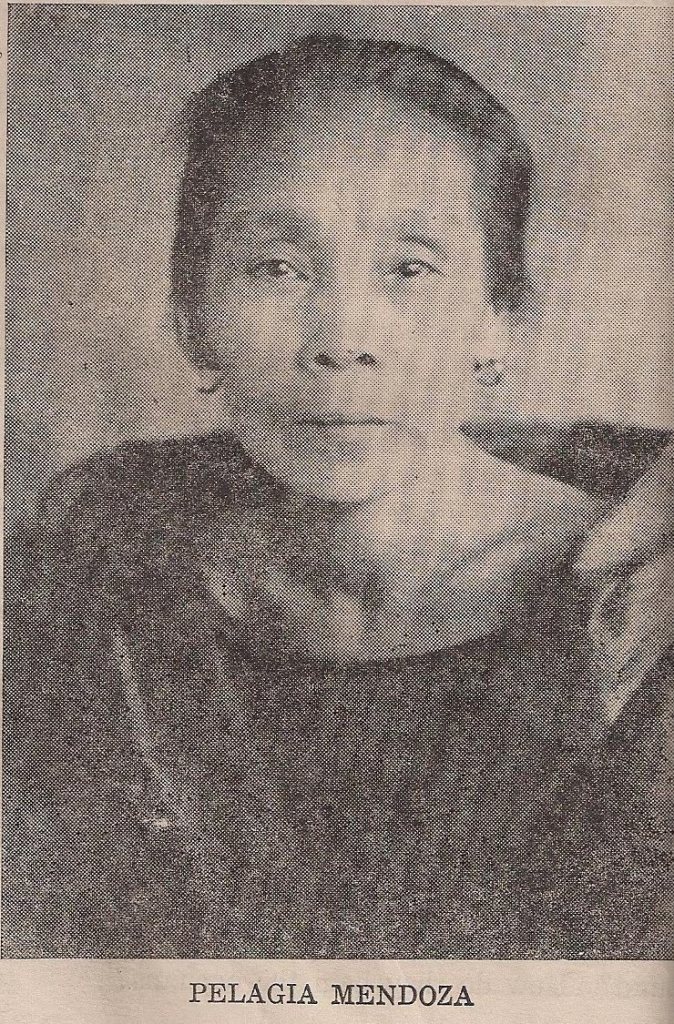
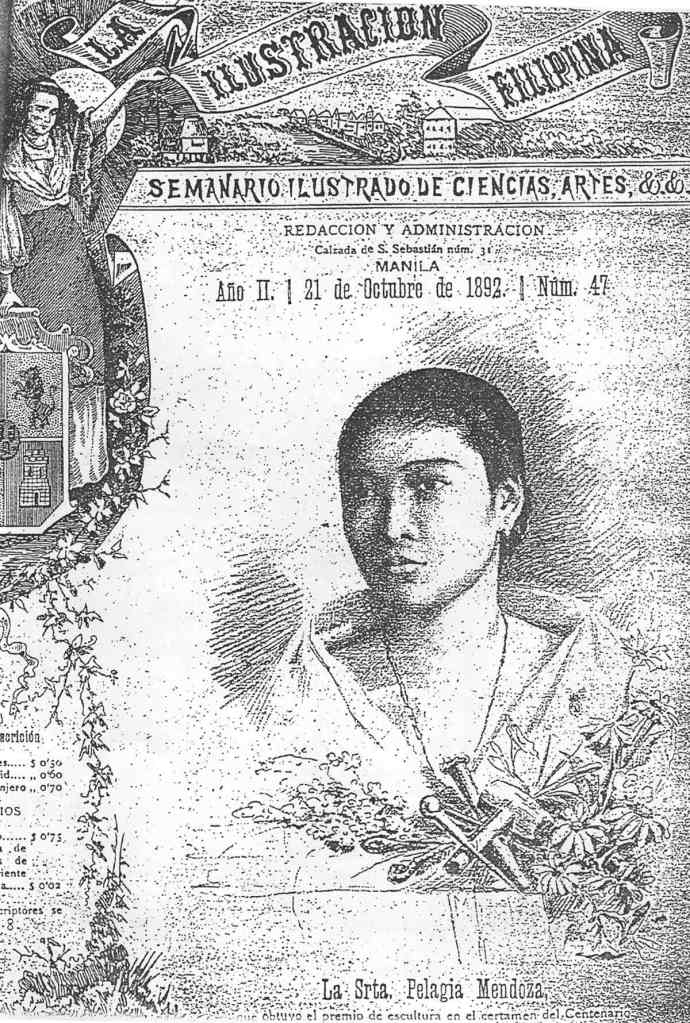
By the late 19th century, women began carving their place in formal art education led by the trailblazing Pelagia Mendoza y Gotianquin (1867-1939). Born in Pateros, Mendoza grew up demonstrating exceptional talent in artistic pursuits such as sketching, embroidery, and modeling clay figures. She is the first known woman sculptor in the Philippines and the first female student admitted to the prestigious Manila School of Drawing and Painting in 1889, the successor of the 1821 Academia. Her enrollment reflected broader societal changes during the late Spanish colonial period, where women began to assert themselves in previously restricted domains. An artistic career was one of the first professions where women could thrive, enhancing their stature in both the cultural and economic life of the colony. In 1892, Mendoza won first prize for her wax bust of Christopher Columbus in the Columbus Quadricentennial Art Contest. More interestingly, another woman artist, Carmen Zaragoza, won a secondary prize in painting for a work titled Dos Inteligencias. Carmen Zaragoza y Roxas (1867-1943) was born in Quiapo, Manila. In 1895, she received further recognition with a copper medal at the Exposición Regional de Filipinas for her landscapes.
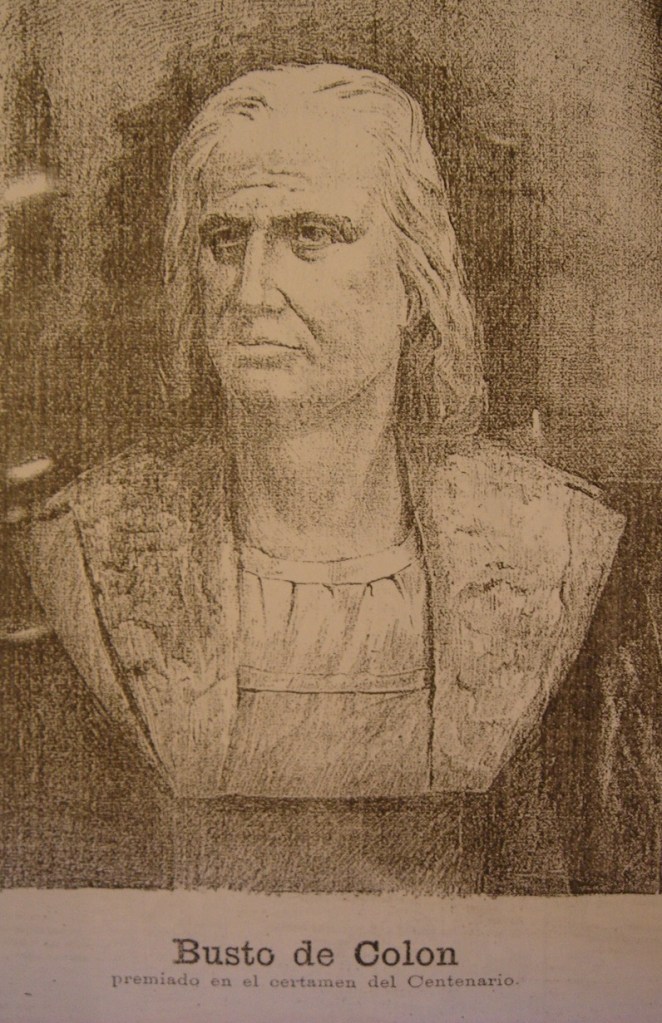
Beyond Mendoza’s achievements in sculpture, she demonstrated versatility in other artistic disciplines like embroidery and religious medal production. Managing a family business later in life, she integrated her artistic skills into entrepreneurial ventures. Her creative spirit persisted even after the death of her husband, the silversmith Crispulo Zamora in 1892. She raised seven children while managing their engraving business.
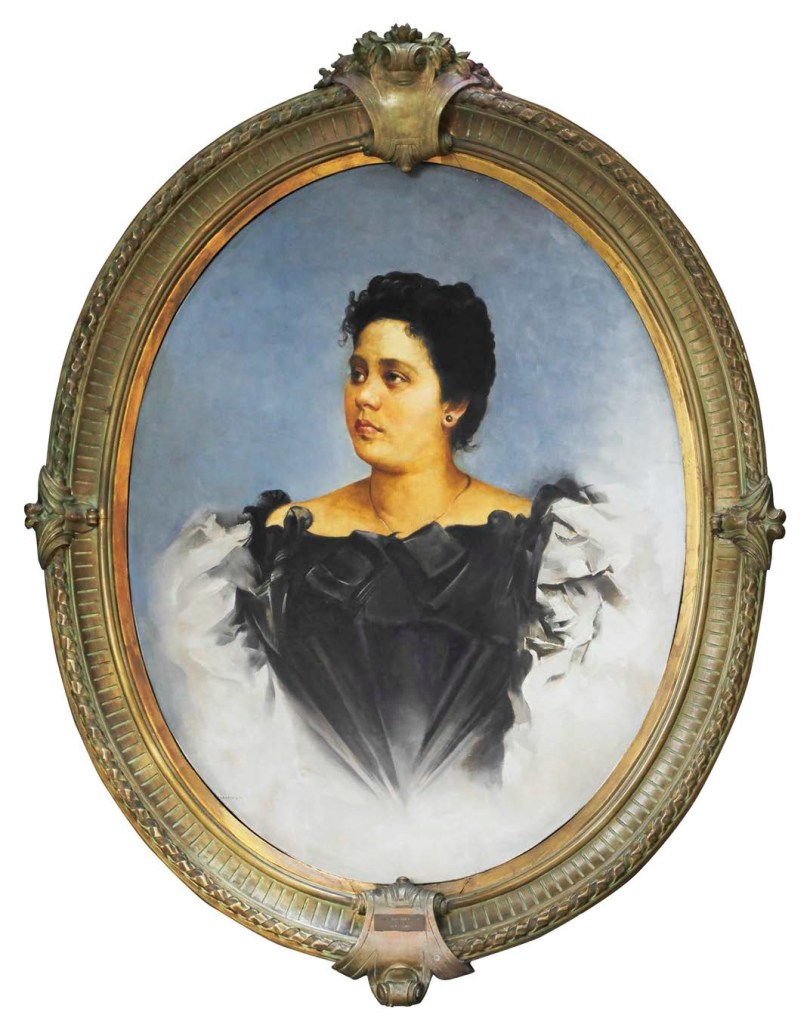
Carmen Zaragoza also supported Philippine culture through La Ilustracion Filipina, a magazine founded by her father. The magazine was a local revival of the magazine Ilustracion Filipina which at the outset, had been criticized for publishing lesser quality engravings. But rather than ethnographic depictions of colonial life, Zaragoza’s magazine served as the rare account of Filipino artists. In 1893, Zaragoza pushed for a front page feature on Pelagia Mendoza’s victory, an unprecedented honor for a female artist. It is because of this publication that we know for a fact that women artists were active and flourishing in the late 19th century. In 1896, Zaragoza married politician Gregorio Araneta who was a financier of the revolutionary organization, the Katipunan. With Gregorio, she raised 14 children in her family’s ancestral home in Quiapo. Zaragoza remained a patroness to artists until her death in 1943. The devastation of World War II tragically erased all known examples of the works of both Mendoza and Zaragoza, leaving their legacies preserved only in historical documents.
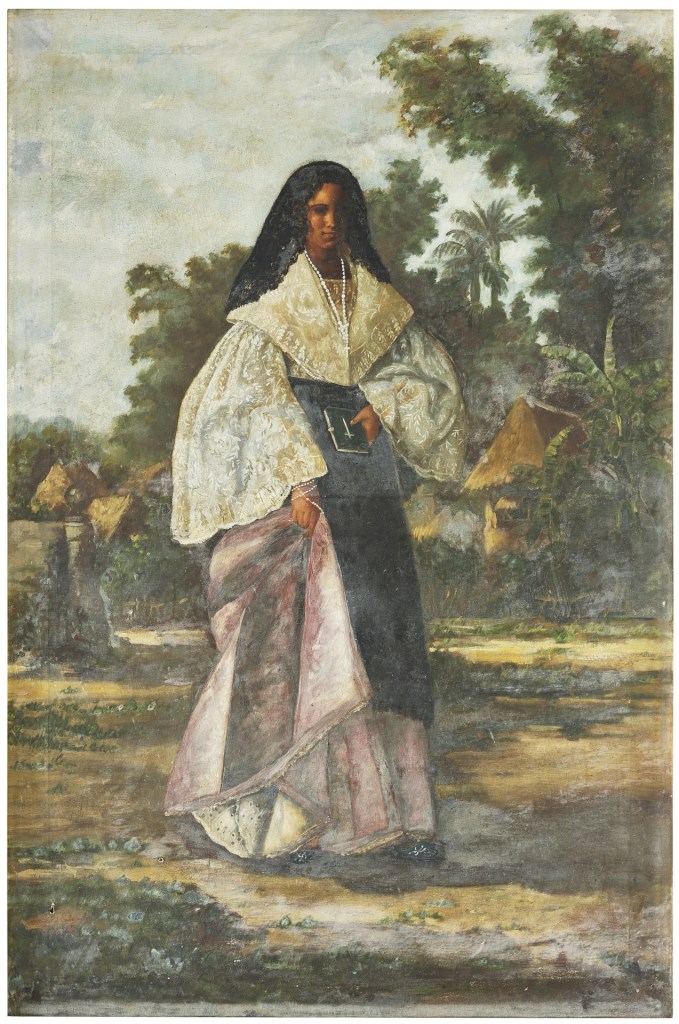
The broader environment in which Pelagia and Carmen emerged also included painters of Spanish descent working in the Philippines. One example is Granada Cabezudo Cristóbal (Manila, 1865 – c.1900), who was born and lived in the Philippines, where her father, the military officer Ramón Cabezudo Galán, had been assigned in 1847. She was one of the seven children of the Cabezudo Cristóbal couple. They all returned to the Iberian Peninsula between 1897 and 1899. According to the 1900 Madrid census, all the siblings were born in Manila between 1859 and 1870. The information regarding Granada Cabezudo indicates that she was born on June 17, 1865, that she was a ‘widow”, that she received a pension of 1,000 pesetas, and that her profession was ‘that of her sex’ (Diaz 2018).
She belonged to the Filipino school that cultivated costumbrista themes, especially indigenous ones. She carried out her artistic studies in the workshop of the painter Agustín Sáez who was director of the Academy of Drawing and Painting of Manila, an institution that did not admit women at that time, so she was trained in a private painting studio. In 1887 she presented an oil painting titled “Una mestiza” to the Philippines General Exposition held in Madrid (Balbás Ibáñez 2006, 586). The painting which is now in the collection of the Museo del Prado portrays a Filipina dressed for church in the characteristic ensemble of the period: a voluminous striped saya, a richly embroidered piña blouse with an overscarf, the black tapis worn as a decorative apron, and a black lace mantilla covering her head. The figure holds a prayer book and wears a pearl rosary, while the background landscape with palms and vernacular houses situates the scene unmistakably in the Philippine countryside. Paintings of mestiza women were a common trope throughout the nineteenth century. Exhibited in Madrid in 1887, Una Mestiza is likely the only known artwork by a woman from Southeast Asia to have been shown in Europe during the nineteenth century.
Further reading
Capitulo, Alejandro P. “Doña Pelagia Mendoza.” Women’s Magazine (Manila), July 1951.
Hernandez, Eloisa. Images of the Filipino: Female Portraiture and the Colonial Imagination. Quezon City: University of the Philippines Press, 2018.
“La Srta. Pelagia Mendoza.” La Ilustración Filipina (Manila), 21 October 1892.
Díaz, Concha. “Pintoras en el Museo Prado In & Out (IV): Dispersas.” Cuaderno de Sofonisba, July 19, 2018.
Balbás Ibáñez, S., Encyclopedia of the Friends of the Prado Museum Foundation, 2006, T. II, p. 586)
 Geronimo Cristobal